Why a Quiet Puzzle Night?
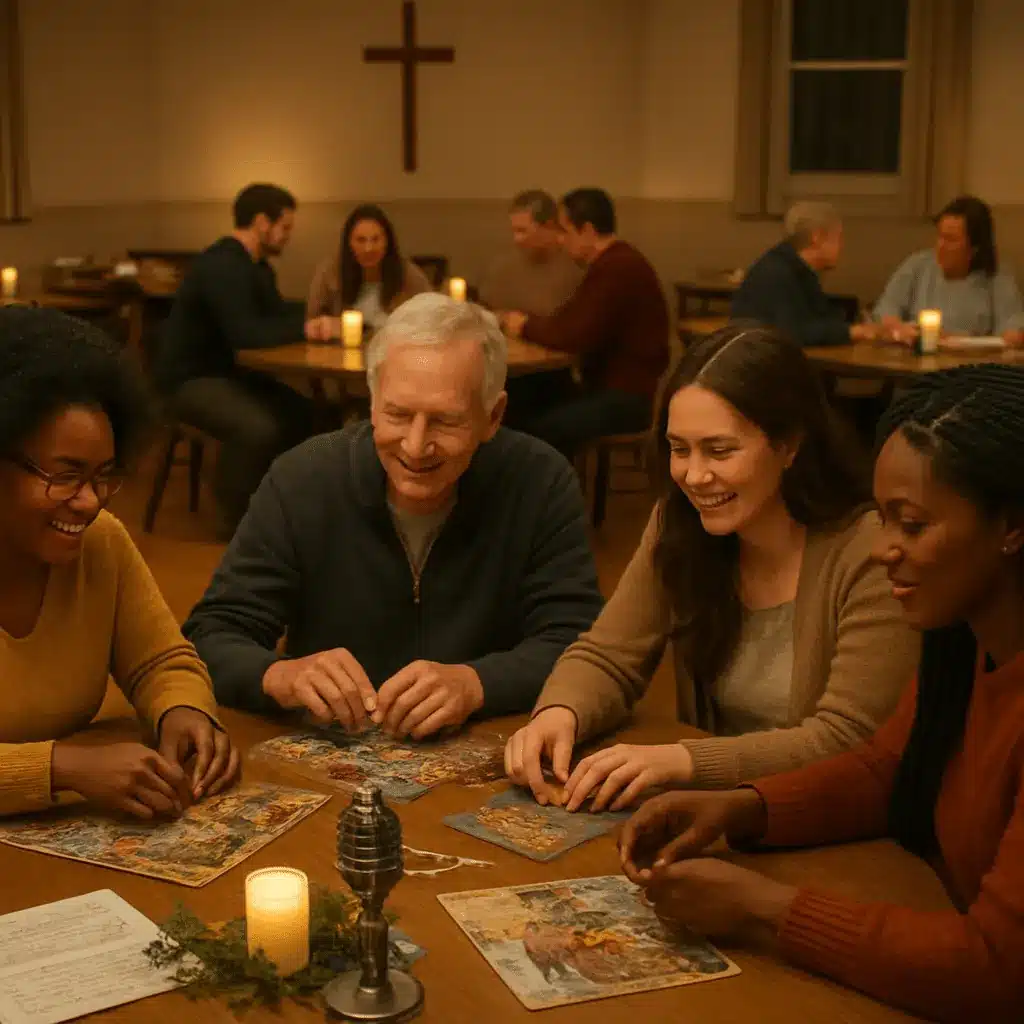
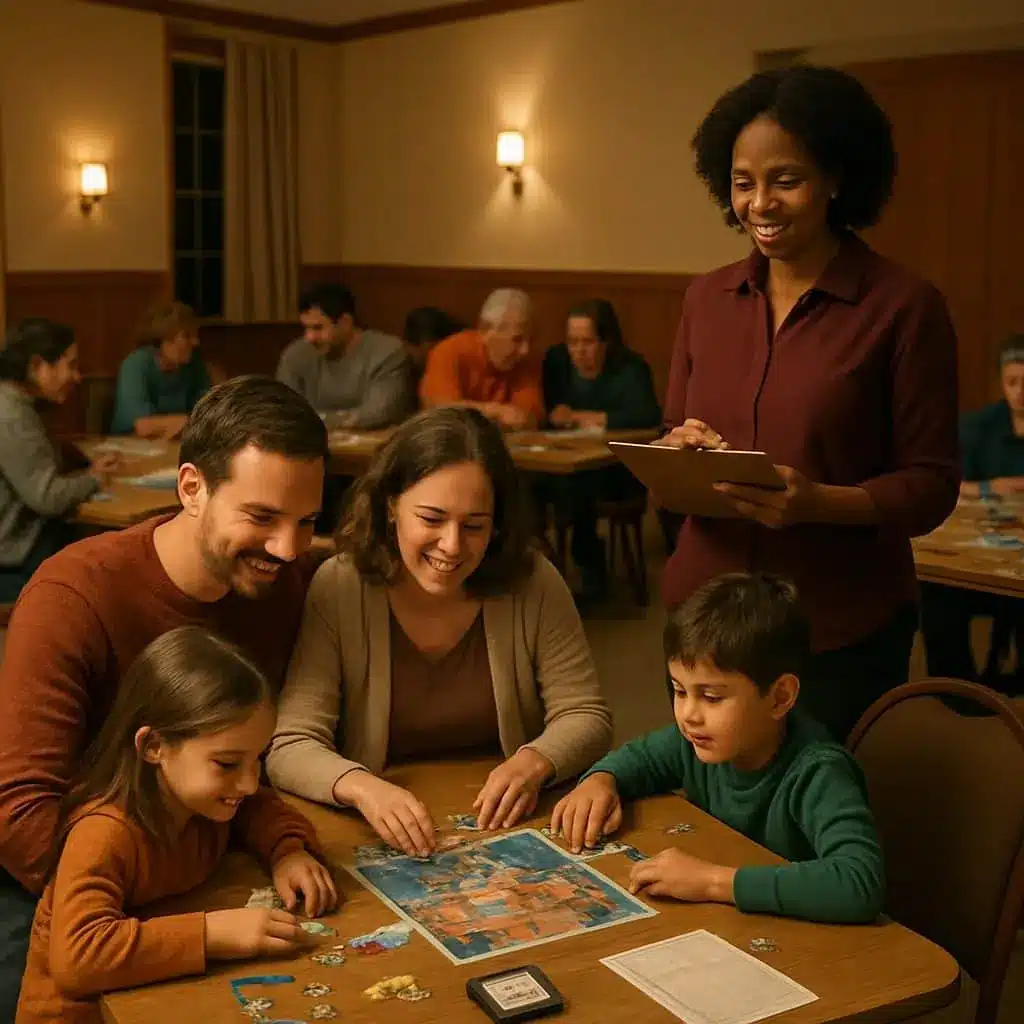
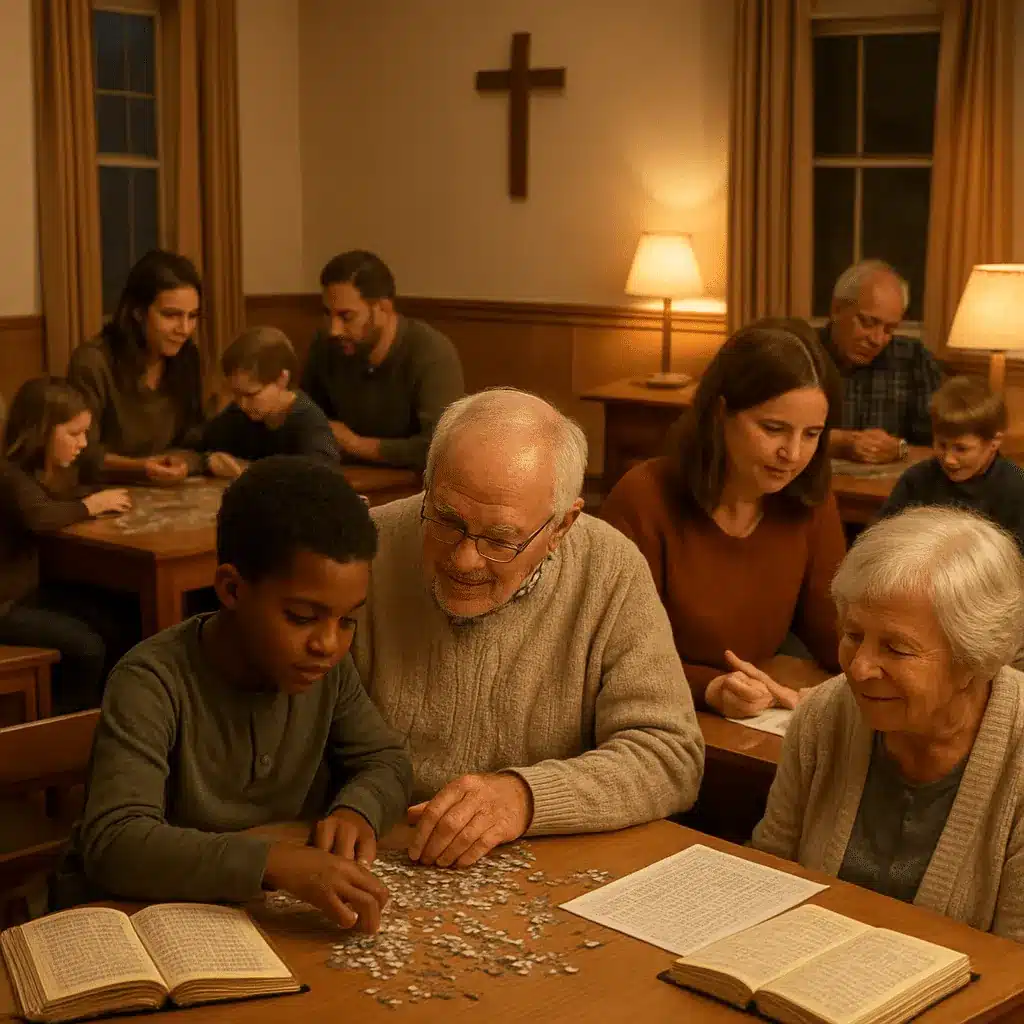
Church puzzle nights bring people together without the pressure of loud games or fast competition. They invite conversation, intergenerational connection, and reflective moments rooted in Scripture and song. For families and small groups, a calm, screen-free evening centered on puzzles can be an opportunity for fellowship, creative problem-solving, and gentle worship.
Before You Start: Basic Planning Checklist
- Set a clear goal: Fellowship, outreach, intergenerational connection, or relaxed family time.
- Choose a date and time: Weekday evenings often work well; aim for 60–90 minutes to keep things relaxed.
- Reserve space: Fellowship hall, Sunday school rooms, or small group rooms where tables can be spread out.
- Recruit volunteers: Hosts to greet families, puzzle helpers, and a coordinator to set up and take down.
- Gather materials: Puzzles, pencils, hymn sheets, Bibles, quiet background music (optional), and simple refreshments.
Designing the Program Flow
A predictable, gentle schedule helps create a calm atmosphere. Here’s a sample timeline for a 90-minute event:
- Welcome & Prayer (10 minutes) — A short welcome, brief prayer, and a few words about the evening’s intent.
- Puzzle Stations Open (60 minutes) — Families rotate among stations or stay where they prefer. Volunteers circulate quietly to assist.
- Wrap-up & Reflection (15 minutes) — Share a completed puzzle, read a short Scripture, or sing a simple chorus together.
- Cleaning & Fellowship (5 minutes) — Volunteers help collect pieces and tidy the space.
Station Ideas That Fit a Faith-Inspired, Music-Themed Theme
Set up several low-key stations so participants can choose activities that suit their ages and energy levels.
Bible-Story Jigsaw Corner
- Use jigsaw puzzles with illustrated Bible stories (Noah, David & Goliath, The Good Samaritan).
- Have a small stack of Bibles or illustrated storybooks nearby for reference.
- Offer multiple difficulty levels so children and adults can work together.
Scripture Scramble & Word Searches
- Create word searches featuring key words from a chosen passage or hymn.
- Scripture scramble: print a familiar verse with words mixed up and challenge small groups to reorder them.
- Provide clipboards, pencils, and large-print versions for accessibility.
Hymn & Radio-Themed Word Puzzles
- Crossword puzzles using hymn titles, musical terms, or names of psalms and spiritual songs.
- “Name That Hymn” station: a gentle audio loop of instrumental hymn snippets played softly from a small radio or device — participants match the tune to a list of hymn titles (keep it quiet).
Creative Puzzle-Building Table
- Provide blank puzzle templates (pre-cut card stock) for kids to draw Bible scenes, then swap and solve each other’s creations.
- Include colored pencils and simple stencils so younger children can participate.
Keeping the Atmosphere Calm and Inclusive
- Soft lighting: Use warm lighting rather than harsh fluorescents. Lamps or string lights can make a fellowship hall feel homey.
- Quiet background music: If you play music, keep it instrumental and low so conversation remains easy.
- Seating arrangements: Arrange tables to allow small group conversations, with a few quiet corners for solo puzzlers.
- Accessibility: Offer large-print puzzles, low tables for wheelchair access, and seating with back support.
Roles for Volunteers
- Greeter/Host: Welcome families, explain stations, and hand out name tags if desired.
- Puzzle Facilitator: Provide hints, monitor puzzle pieces, and gently guide groups when they’re stuck.
- Setup & Cleanup Crew: Ensure puzzles are complete or bagged, tables wiped, and supplies restocked.
- Prayer Leader: Offer the opening and closing prayers and be available for short pastoral conversations.
Child-Friendly Adjustments
- Have a dedicated children’s table with age-appropriate puzzles and a volunteer who can read story prompts aloud.
- Use timers for brief periods (10–15 minutes) to help young attention spans without making it competitive.
- Encourage mixed-age groups so older kids and adults can mentor younger ones.
Simple Refreshments and Comfort
Keep food minimal and quiet-friendly: pre-packaged snack packs, fruit bowls, and bottled water or hot tea. Avoid crunchy or noisy foods that disrupt the calm. If you serve hot beverages, place them at a separate station to reduce congestion at puzzle tables.
Finishing Touches and Follow-Up
- Share highlights: At the end, invite groups to display a finished puzzle briefly and read a short verse or reflection related to the theme.
- Collect contact information: Offer a sign-up sheet for future events and a small printed takeaway with Scripture or hymn verses used that night.
- Offer a quiet donation station: If the event supports a ministry or outreach, place a discreet giving box near the exit rather than announcing it loudly.
- Evaluate: Ask volunteers and a few participants for quick feedback to improve the next puzzle night.
Event Variations
- Family Night: Focus on multi-age puzzles and prizes like family devotional booklets.
- Small Group Competition: Keep it light — award points for helpful teamwork rather than speed.
- Seasonal Themes: Advent, Lent, or Creation-themed puzzles and hymn selections create meaningful connections to the church calendar.
With thoughtful planning, a quiet church puzzle night can become a regular, welcome rhythm for families and small groups—an evening of calm fellowship where Scripture, song, and simple play build community. Start small, keep the atmosphere gentle, and let the puzzles spark conversation and connection.